Asian skincare has taken the global beauty world by storm. Among the most talked-about are Korean beauty (K-Beauty) and Japanese beauty (J-Beauty). While both offer high-performance skincare built on centuries of tradition and innovation, they differ in philosophy, formulation, texture, and target demographics. In this in-depth guide, we’ll compare K-Beauty and J-Beauty, focusing on luxury Korean skincare brands like The History of Whoo, OHUI, su:m37°, CNP Laboratory, and Sulwhasoo. We’ll also explore consumer trends, packaging, market preferences, and how to choose the right skincare philosophy for your lifestyle.
1. K-Beauty vs J-BeautyWhat
Defines K-Beauty?
K-Beauty is renowned for its multi-step routines, lightweight textures, and focus on hydration and skin radiance. It’s skincare as self-care, emphasizing gentle formulations, natural fermentation, and functional cosmetics that address specific concerns like brightening, anti-aging, or soothing. The packaging is often elegant and whimsical, and innovation is at the core of the K-Beauty industry.
Top K-Beauty Luxury Brands in 2025
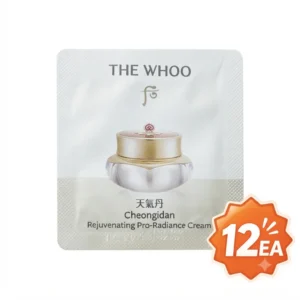
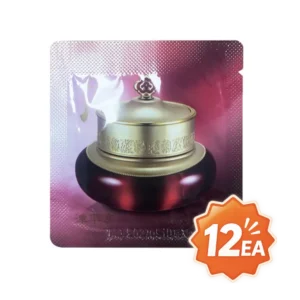
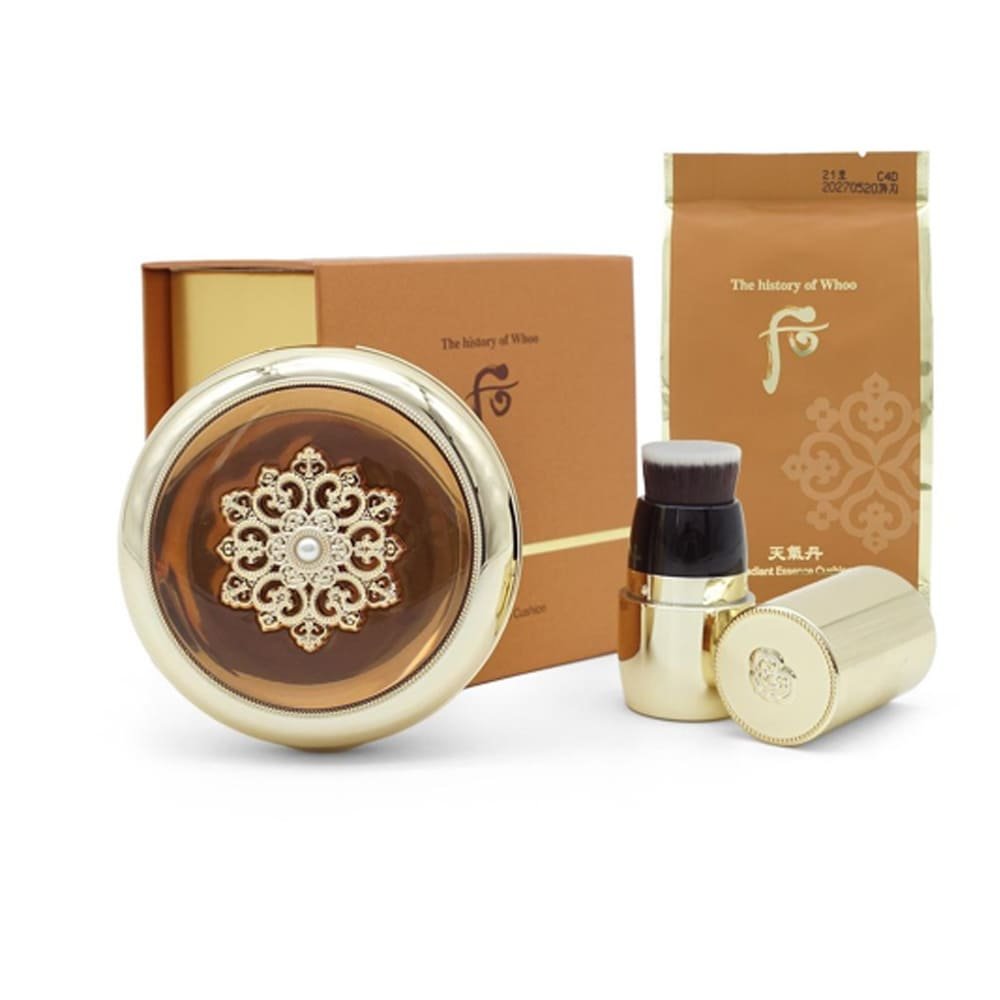
- The History of Whoo: Royal herbal formulas, luxurious packaging, anti-aging focus. This brand embodies the essence of traditional Korean royal court medicine combined with modern cosmetic science. Their Gongjinhyang line is a cult favorite for mature skin.
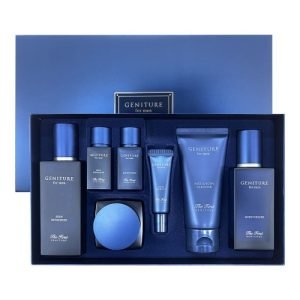
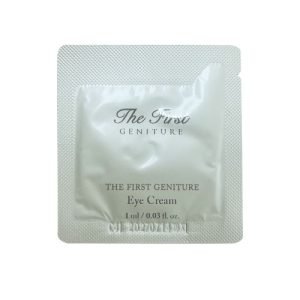
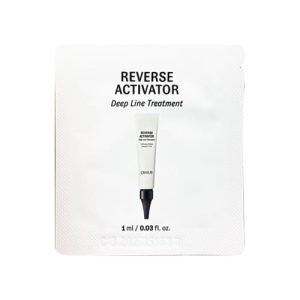
- OHUI: Advanced cell science, brightening and firming care, elegant textures. Known for its The First Geniture series, OHUI offers high-performance serums and creams that target cellular regeneration.
- su:m37°: Fermentation-based skincare, natural ingredients, clean beauty appeal. The Secret Essence remains one of the best-selling fermented skincare products globally, suitable for sensitive and dull skin types.
- CNP Laboratory: Dermatologist-developed, science-backed active ingredients. The Propolis Ampoule and Mugener line are widely used by those with acne-prone or reactive skin.
- Sulwhasoo: Ginseng-rich formulas, traditional Korean herbal medicine, holistic skincare. The Concentrated Ginseng Renewing Cream is considered a luxury staple among anti-aging products.
2. What Defines J-Beauty?
Japanese beauty prioritizes simplicity, minimalism, and ritual. The routines are shorter and often based on traditional skincare wisdom. Textures are generally lighter, and J-Beauty favors proven ingredients like hyaluronic acid, rice ferment, and squalane. The focus is on cleansing, balance, and long-term skin health rather than immediate visible effects.
Popular J-Beauty Luxury Brands
- Shiseido: Cutting-edge science, classic elegance, multi-generational trust. Their Ultimune serum is a long-time bestseller designed to improve the skin’s defense mechanisms.
- SK-II: Known for its Pitera-rich essence, anti-aging and brightening power. The Facial Treatment Essence is one of the most iconic Japanese skincare products worldwide.
- Hada Labo: Hyaluronic acid-rich hydration, minimal but effective. Their Gokujyun series is highly affordable yet effective in maintaining skin hydration.
- Decorté: Premium textures, elegant branding, Japanese aesthetics. Offers hybrid skincare-makeup products with luxury appeal.
- Albion: Balance-first skincare with signature skin conditioners. Known for skin prep products that maximize the effectiveness of subsequent treatments.
3. Formulation Philosophy: Science vs Tradition
K-Beauty often merges ancient herbal wisdom with modern cosmetic science. Brands like Sulwhasoo and Whoo incorporate ginseng, lotus, and wild herbs. Meanwhile, J-Beauty emphasizes ingredient purity and clinical research. For instance, Shiseido and SK-II rely on years of R&D and use patented ingredients like Pitera.
Both systems are effective but serve different goals. K-Beauty seeks fast results and sensory experiences; J-Beauty prefers slow, consistent improvement over time. K-Beauty often experiments with multi-functionality and novel textures like sleeping packs and ampoule masks. J-Beauty prefers time-tested methods and ingredients passed down through generations.
4. Texture & Application Experience
K-Beauty excels in creating rich serums, creamy essences, and multi-layering products. Its “chok-chok” glow (moist, bouncy skin) is achieved through deeply hydrating formulas. Products like OHUI’s Geniture Cream or su:m37°’s Secret Essence offer a luxurious texture that absorbs effortlessly.
J-Beauty, on the other hand, often uses emulsions and lightweight lotions. Hada Labo’s Gokujyun Lotion feels more like water than a cream, providing hydration without heaviness. J-Beauty is less about layering and more about enhancing the skin’s innate balance. Their textures aim for quick absorption and comfortable wear under makeup.
5. Skincare Routines Compared
K-Beauty: Often a 7 to 10 step routine. Common steps include:
- Double cleansing (oil + foam)
- Hydrating toner
- Essence
- Serum and/or ampoule
- Emulsion or moisturizer
- Eye cream
- Sleeping mask (PM) or sunscreen (AM)
This ritual is designed to be therapeutic and tailored to your skin’s changing needs.
J-Beauty: Typically 3 to 5 steps, focusing on:
- Gentle cleanser
- Softening lotion
- Emulsion
- Essence (optional)
- Sunscreen
J-Beauty routines are consistent, streamlined, and prioritize balance and protection.
6. Packaging & Aesthetic Appeal
K-Beauty leans into storytelling and visual appeal. Whoo and Sulwhasoo use regal, traditional Korean motifs. OHUI and su:m37° offer sleek, modern bottles with a soft luxury feel. These designs are not just for show — they symbolize the heritage and care behind each formula. Some lines include brush tools or spatulas to emphasize the premium experience.
J-Beauty packaging is generally minimalist and functional. SK-II and Hada Labo prioritize clean lines and transparency, reflecting a purity-first philosophy. Decorté, however, brings a more artistic element with their unique bottle designs and jewel-toned branding.
7. Market Trends in 2025
Globally, K-Beauty continues to trend among Gen Z and Millennials due to its social media presence, innovation, and affordability. CNP’s ampoules, for example, have become TikTok viral essentials. Meanwhile, J-Beauty has a strong foothold in professional markets and older demographics who appreciate its understated quality and proven longevity.
Both markets are growing, but K-Beauty is quicker to adapt trends like vegan formulas, skinimalism, and tech-integrated skincare tools. There’s also a rise in demand for miniatures and travel kits, which K-Beauty brands like OHUI and CNP have embraced for global markets.
8. Price Point & Accessibility
J-Beauty tends to have a consistent pricing model, with mid to high-end options like SK-II being expensive but accessible through department stores and global retailers. K-Beauty spans a wider range — from budget-friendly brands like Etude House to premium lines like Whoo and Sulwhasoo. This makes K-Beauty more flexible for new users and luxury shoppers alike.
Online platforms like YesStyle, StyleKorean, and direct sites such as Korean Cosmetic Lux provide global access to authentic luxury K-Beauty items.
9. Which One Is Right for You?
If you enjoy rich textures, multiple steps, and luxurious packaging, K-Beauty is your match. Choose Whoo for royal anti-aging, OHUI for firmness and glow, su:m37° for natural fermentation, or CNP for clinical efficiency. For those seeking consistency, balance, and minimalist routines, J-Beauty will serve you well.
Ultimately, your skincare journey should reflect your lifestyle, skin needs, and personal philosophy. Many users even blend both routines — using a K-Beauty essence with a J-Beauty emulsion — to get the best of both worlds.
Conclusion
While K-Beauty and J-Beauty share a geographic region, their skincare DNA is quite distinct. K-Beauty brings sensory luxury and innovative layering, while J-Beauty focuses on clean formulations and elegant simplicity. Both are powerful in their own right, offering timeless skin solutions through different paths.
Choosing between them doesn’t have to be exclusive. In 2025, the most empowered skincare consumers are those who explore, combine, and personalize their beauty rituals.
Want to explore authentic luxury K-Beauty samples from brands like The History of Whoo, OHUI, and su:m37°?